Court document translation in Dubai
I translate court and dispute documents between Arabic and English myself. I am personally registered with the UAE Ministry of Justice as legal translator No. 688. Dubai Courts and the Rental Disputes Center work in Arabic, and the DIFC Courts work in English, so I translate in the direction your matter needs. I don’t give legal advice or file documents.
Last updated:
Who translates your court documents?
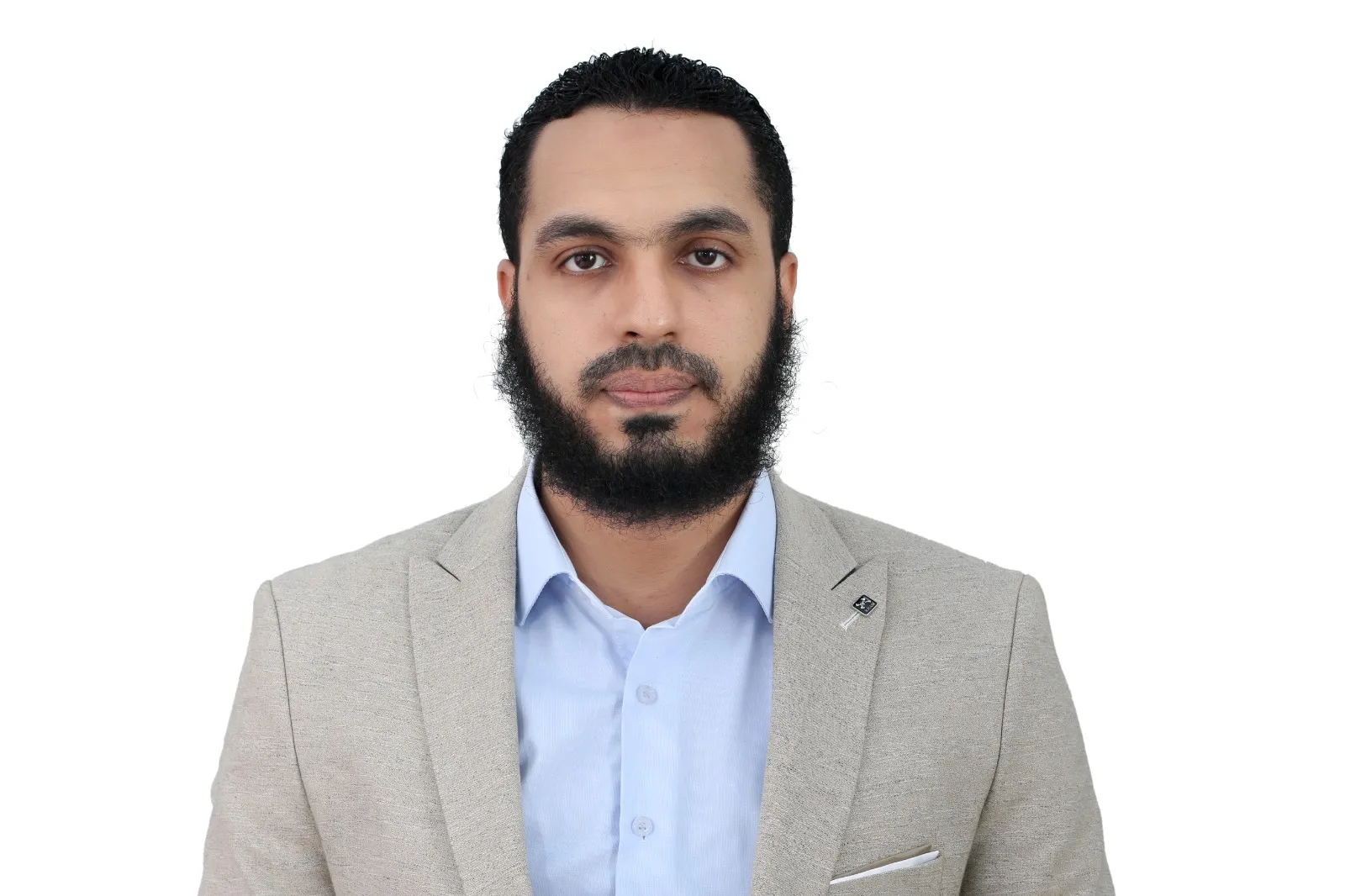
I am Mohamed Khaled. I am personally registered with the UAE Ministry of Justice as legal translator No. 688, for Arabic into English and English into Arabic, valid until 8 March 2029. I translate your documents myself.
The Ministry of Justice keeps the list of registered legal translators, and its website has a public translator search where you can look up my registration number. The steps are in my guide on how to verify a UAE MOJ legal translator, and my credentials page has my registration details.
I work through AL QEMMA LEGAL TRANSLATION, a Sole Establishment with Dubai professional licence 876257, which is the business’s licence. You can also read about my wider legal translation work.
Which court and dispute documents do I translate?
I translate documents used in court proceedings and disputes in Dubai. A single matter may involve pleadings, court decisions and supporting evidence from several sources.
- Statements of claim, defences and memoranda
- Judgments, orders and expert reports
- Evidence: correspondence, contracts, invoices, messages
- Rental dispute documents
- Powers of attorney for representation
Which language do Dubai Courts and the Rental Disputes Center use?
Dubai Courts and the Rental Disputes Center work in Arabic. Under UAE civil procedure law, Arabic is the language of the courts, and some specialised courts or cases may run in English.
The UAE government portal says documents presented to UAE courts must be in Arabic. Otherwise they are translated into Arabic by a legal translator registered with the UAE Ministry of Justice.
Dubai Courts’ civil and commercial case service pages ask for documents as PDF files, with a legal translation into Arabic. Documents issued outside the UAE are attested by the foreign ministry of the issuing country, the UAE embassy there and the UAE Ministry of Foreign Affairs.
The Rental Disputes Center says documents are submitted in Arabic or translated legally into Arabic, and uploaded online. I translate English material into Arabic when a matter needs that direction.
Which language do the DIFC Courts use?
The DIFC Courts work in English, for hearings and for documents filed or served. Arabic documents used in a DIFC matter need an English translation. The DIFC Courts hear civil and commercial disputes and do not hear criminal cases.
The DIFC Courts Rules say that when a judgment or order is served outside the DIFC in the UAE, an Arabic translation is lodged with the Courts. If the Arabic and English versions differ, the English version prevails.
I also translate Arabic court papers into English for law firms and clients abroad who need to follow a case.
What happens when a judgment moves between courts or comes from abroad?
DIFC Courts judgments are enforced outside the DIFC through Dubai Courts. A published protocol between the DIFC Courts and Dubai Courts describes translation of the judgment or order into the language of the court handling enforcement. It describes a legal translator registered with the Ministry of Justice doing the translation, and the sending court’s registry stamping it.
The UAE government portal says that for a judgment issued abroad to be implemented in the UAE, the original judgment is attested by the UAE Ministry of Foreign Affairs (MOFA). My guide on MOFA attestation and translation in the UAE covers how the two steps differ.
How do I translate judgments, expert reports and evidence?
I translate judgments, orders and expert reports as written and keep their structure and references. I mark stamps, signatures and handwritten notes where they appear in the source.
For evidence in both Arabic and English, I follow the source sequence and keep dates, reference numbers and document labels. Each translated part can then be traced to the original correspondence, messages, contracts or invoices.
How do large bundles and staged delivery work?
I can deliver a large bundle in stages, following the priorities your legal team sets. When you describe the job, tell me the team’s deadline and which documents it needs first.
Court matters can involve large bundles of pleadings, exhibits and supporting records. With staged delivery, the team can start work on the earlier translations before the rest of the bundle arrives.
How do I keep names and case numbers consistent?
I use the same renderings of party names, case numbers, court and centre names, document titles and references across every batch in the same matter. This helps the legal team follow cross-references from one document to another.
If the source documents differ on a name, spelling or reference, I point out the difference and keep the wording of each source. Original case numbers and document references stay visible in the translation.
What if the court or centre has translation instructions?
When you describe the job, tell me what the court or centre’s translation instructions say, including the language and any formatting they ask for. I use those instructions when planning the work.
How does a translation job start?
Most jobs start with a WhatsApp message describing the work. I quote after reviewing the full set and start once we agree the scope, price and delivery date.
Every job needs at least two business days. I deliver a stamped, signed PDF and a hard copy when needed.
Only I see your documents, and my admin team sees them only when layout work needs it.
What to send me first
Describe the job before you send any files. A short message is enough to start:
- What the document is, and how many pages or files there are
- Is the translation from Arabic into English or English into Arabic? If you need another language, please mention it.
- Where the translation will be used, and any instructions the recipient gave you
- The date you need it by
- Whether you need anything beyond the translation, such as a particular format
What I don’t do
I don’t give legal advice, say which court a matter belongs in or say which documents a court needs. I don’t file, serve or attest documents or represent anyone. I don’t draft or change pleadings or evidence.
I translate between Arabic and English myself and don’t take urgent work. The receiving court or office decides what it takes. I am not affiliated with any court or authority beyond my personal MOJ registration as a legal translator.
Tell me what you need translated.
Start with a description of the document and whether you need Arabic or English. It helps to know the approximate length, who will receive it and your deadline. Please don't send sensitive personal or case files in your first message.
Monday to Friday, 9am to 9pm UAE time. At least two business days. I agree the actual delivery date before I start.